




Mustang | St. Louis, MO
How to keep a Ford Mustang on the road through a St. Louis winter.
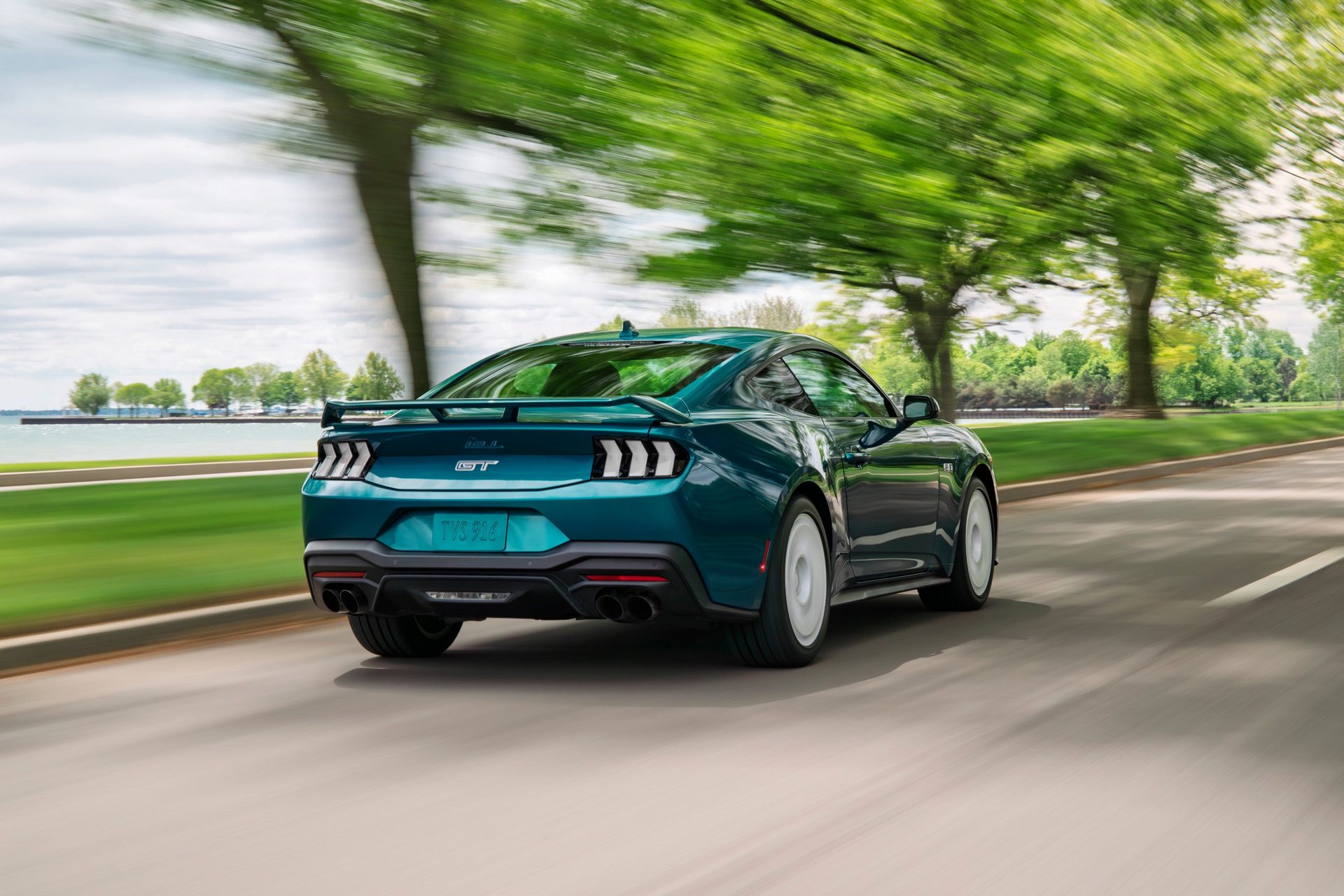
A Mustang parked at the curb under a dusting of snow raises a fair question for anyone who owns one or is thinking about buying one: is a rear-wheel-drive sports car practical for a St. Louis winter, or is it a vehicle that belongs in the garage until spring?
The honest answer sits somewhere in between. This covers what makes winter driving different in a Mustang, what helps, and when storing it for the season makes more sense than fighting through it.
Quick answer: A rear-wheel-drive Mustang is more sensitive to snow and ice than an all-wheel-drive vehicle, but it isn’t undriveable. Good winter tires make a substantial difference, and a driver who’s realistic about slowing down on bad days can keep driving one through most of a typical St. Louis winter.
Tires
Winter capable rubber matters
Salt
Rinse the underbody
Plan
Storage or daily driving
In this post
- Is the Ford Mustang Hard to Drive in Snow?
- Do Winter Tires Make a Real Difference on a Rear-Wheel-Drive Mustang?
- Should I Store My Mustang for the Winter Instead of Driving It?
- Does Cold Weather Affect a Mustang’s Battery More Than Other Ford Models?
- Is the Mustang Mach-E a Better Winter Option Than the Gas Mustang?
- What a St. Louis Winter Involves
Is the Ford Mustang Hard to Drive in Snow?
It’s more challenging than an all-wheel-drive vehicle, mainly because power goes to the rear wheels only on most trims, which makes it easier to lose traction when accelerating on snow or ice. It isn’t undriveable, but it does reward a more cautious driving style than a Mustang owner might use the rest of the year.
Do Winter Tires Make a Real Difference on a Rear-Wheel-Drive Mustang?
Yes, more than almost any other single change. Winter tires use a softer rubber compound and a tread pattern designed to grip in cold temperatures and snow, and the improvement in traction on a rear-wheel-drive car is noticeable compared to all-season tires, which stiffen up and lose grip once temperatures drop.
Should I Store My Mustang for the Winter Instead of Driving It?
That’s a reasonable choice for an owner who has a second vehicle and wants to minimize road salt exposure and winter wear on the Mustang. For someone without a second daily driver, keeping it on the road with good winter tires and a more cautious driving style is a workable alternative to storage.
See Ford Mustang Inventory
Schedule Winter Tire Service
St. Louis driver tip: Bridges, ramps and hills ice first. Ease on the throttle and leave extra stopping room in a rear drive car.
Does Cold Weather Affect a Mustang’s Battery More Than Other Ford Models?
Not specifically because it’s a Mustang. Cold weather reduces battery output in any vehicle, and a Mustang that sits for stretches during winter, rather than being driven daily, can be more prone to a weak battery simply from infrequent use rather than anything unique to the car itself.
Is the Mustang Mach-E a Better Winter Option Than the Gas Mustang?
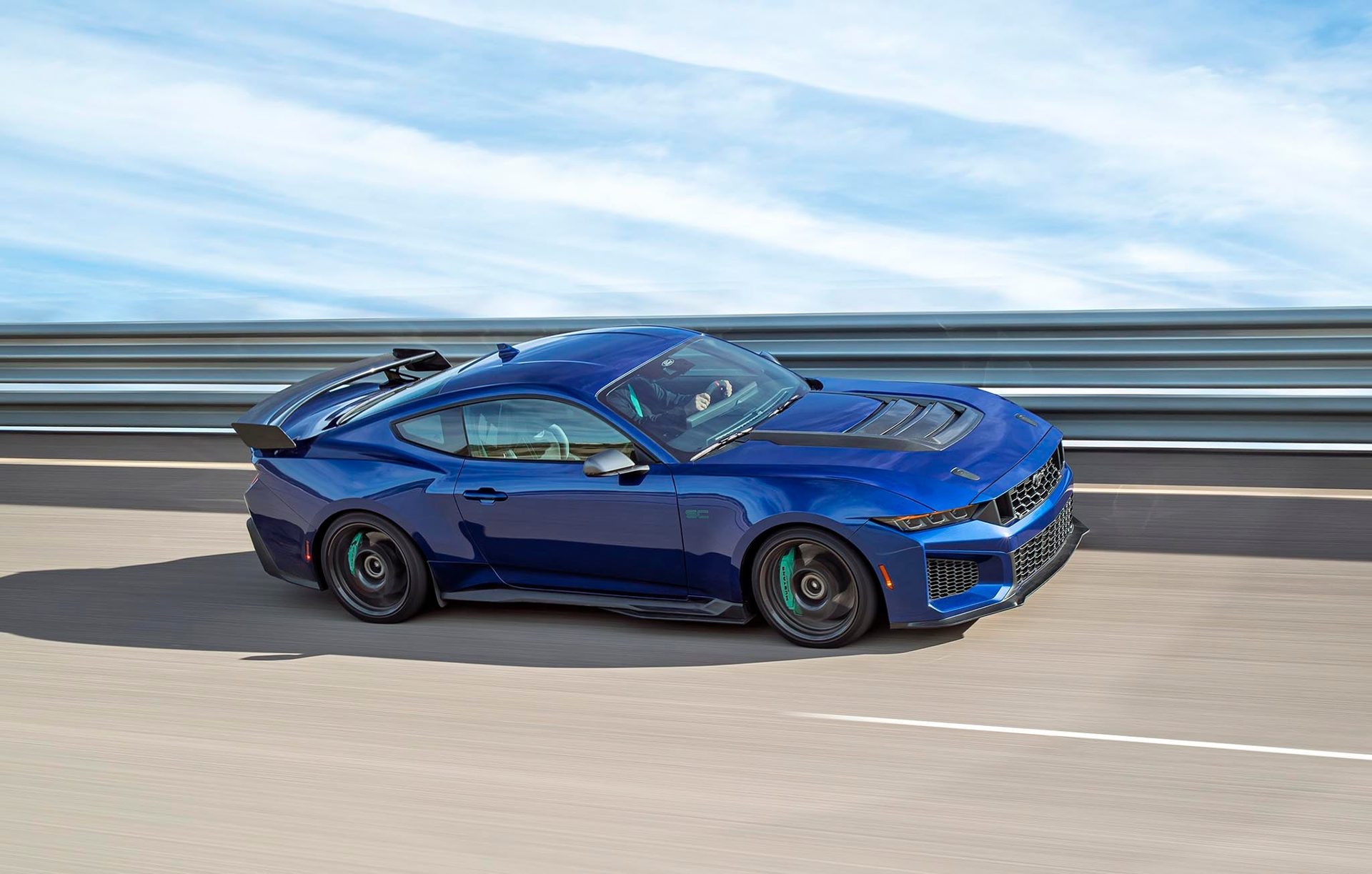
For winter traction specifically, often yes. The Mach-E is available with all-wheel drive, which handles snow and ice more predictably than the rear-wheel-drive setup on most gas Mustang trims. It’s a different kind of vehicle in several other ways too, so the comparison is worth a closer look rather than treating it as a simple swap.
The honest answer sits somewhere between undrivable and no big deal.
What a St. Louis Winter Involves
St. Louis winters tend to bring a mix of light snow events, ice, and plenty of cold, wet days without major accumulation. That mix matters for a rear-wheel-drive car, since even a thin layer of ice on a bridge deck or an overnight frost on untreated side streets can catch a Mustang’s rear tires off guard more easily than it would an all-wheel-drive SUV.
For a broader seasonal checklist that applies across the lineup, our Missouri winter readiness checklist covers the basics every Ford owner should check before the cold sets in.
A set of winter tires and a quick pre-season check at our service department covers most of what a Mustang needs to handle a St. Louis winter confidently. Scheduling it online takes a few minutes.
Shop it your way
Browse inventory, value your trade and see payment options before you visit.
Winter Driving Basics
Does the Mustang’s traction control help much in snow?
Yes, traction control reduces wheel spin and helps manage power delivery on slick surfaces, though it works most effectively alongside good winter tires rather than as a replacement for them.
Is it safer to avoid driving a Mustang on icy roads altogether?
On truly icy roads, avoiding driving entirely, in any vehicle, is the safest choice. A Mustang isn’t uniquely dangerous on ice, but a rear-wheel-drive car does require extra caution.
Does ground clearance matter for a Mustang in snow?
Yes, the Mustang’s lower ground clearance means it can struggle more than an SUV in deeper snow accumulation, even if traction itself isn’t the limiting factor.
Tires and Traction
Can all-season tires handle a typical St. Louis winter?
All-season tires handle light winter conditions reasonably well, but they lose grip as temperatures drop further, which is where dedicated winter tires make a bigger difference.
How much do winter tires typically improve traction over all-season tires?
The improvement is substantial in cold and snowy conditions specifically, since winter tire compounds stay flexible at low temperatures while all-season tires tend to stiffen up.
Should winter tires be removed once the season ends?
Yes, winter tires wear faster in warm weather and aren’t designed for it, so switching back to all-season or summer tires once the season ends extends the life of both tire sets.
Storage Considerations
What’s involved in properly storing a Mustang for winter?
A full tank of fuel with stabilizer, a trickle charger on the battery, and tires inflated to the correct pressure are the main things that make storage easier on the vehicle over several months.
Does a trickle charger help if the Mustang sits for weeks at a time?
Yes, a trickle charger keeps the battery topped off during extended storage, which prevents the kind of deep discharge that can shorten battery life or leave it unable to start in spring.
Can short winter drives be harder on a stored vehicle than regular driving?
In some ways, yes. Short, infrequent drives don’t let the engine and battery fully reach normal operating conditions, so a vehicle that’s driven occasionally through winter can need more attention than one driven regularly or stored properly.
Cold Weather Maintenance
Does cold weather affect tire pressure on a Mustang the same way as other vehicles?
Yes, tire pressure drops with falling temperatures in any vehicle, so it’s worth checking more often through the winter regardless of which Ford model is being driven.
Should the oil weight change for winter driving?
Most modern Fords use an oil weight suited to a wide temperature range already, so a change usually isn’t necessary. The owner’s manual confirms the correct weight for a specific engine.
Does a block heater make sense for a Mustang in St. Louis winters?
A block heater is more common in much colder climates than St. Louis typically sees, so it isn’t usually necessary here, though a technician can advise if a specific situation calls for one.
Buying and Ownership
Is the Mustang Mach-E available with all-wheel drive?
Yes, all-wheel drive is available on the Mach-E depending on trim, which is one of the clearer differences from the rear-wheel-drive setup on most gas Mustang trims.
Can I test drive a Mustang in winter conditions before buying?
Yes, and a winter test drive is a reasonable way to get a feel for how it handles in the conditions you’ll be driving in, if timing allows for it.
Does owning a Mustang through winter affect its resale value?
Not directly, as long as it’s properly maintained. Road salt exposure is worth managing with regular washes, but winter driving itself doesn’t meaningfully affect resale value beyond normal wear.