



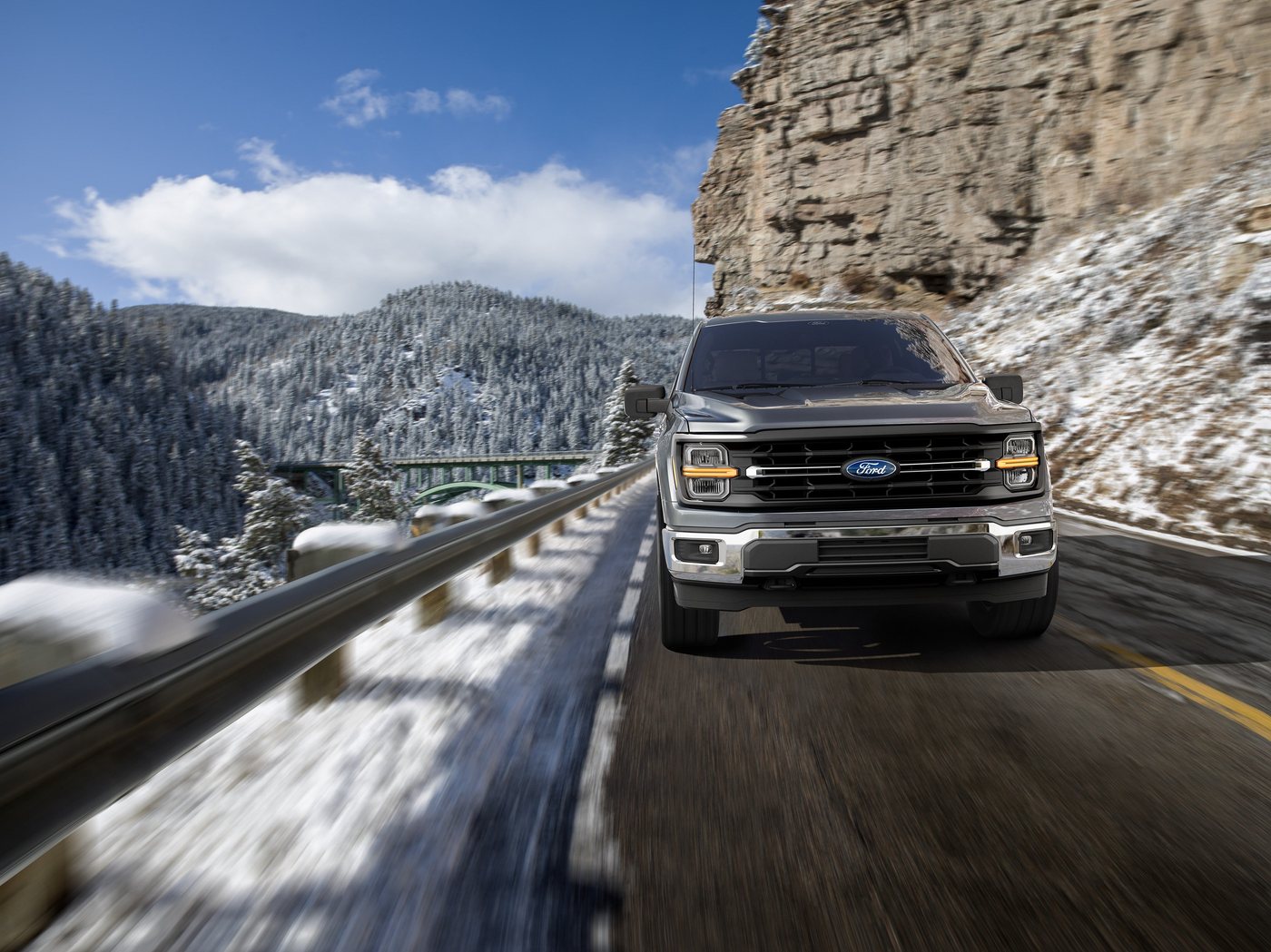

Trucks | St. Louis, MO
A truck handles winter well when you set it up and drive it the right way.
The Ford F-150 is a popular choice for St. Louis drivers who want a truck that works year round. Winter adds its own demands, from ice on the bridges to a cold battery on a dark morning.
This post covers the setup and habits that make the biggest difference, so your F-150 feels sure-footed when the weather turns.
Quick answer: Good tires, four-wheel drive used correctly, some weight over the rear axle and a healthy battery do the most for an F-150 in winter. Slow down, leave space and keep up with seasonal service.
Traction
Tires first, then four-wheel drive
Empty bed
Add secure weight over the axle
Cold starts
Test the battery before winter
In this post
Tires Come First
An empty truck bed puts little weight on the rear wheels, so traction depends on the tires. Check tread depth and pressure, and consider winter or all-weather tires if you drive in snow often.
Four-wheel drive helps you get moving, but it doesn’t help you stop. Tires do both jobs.
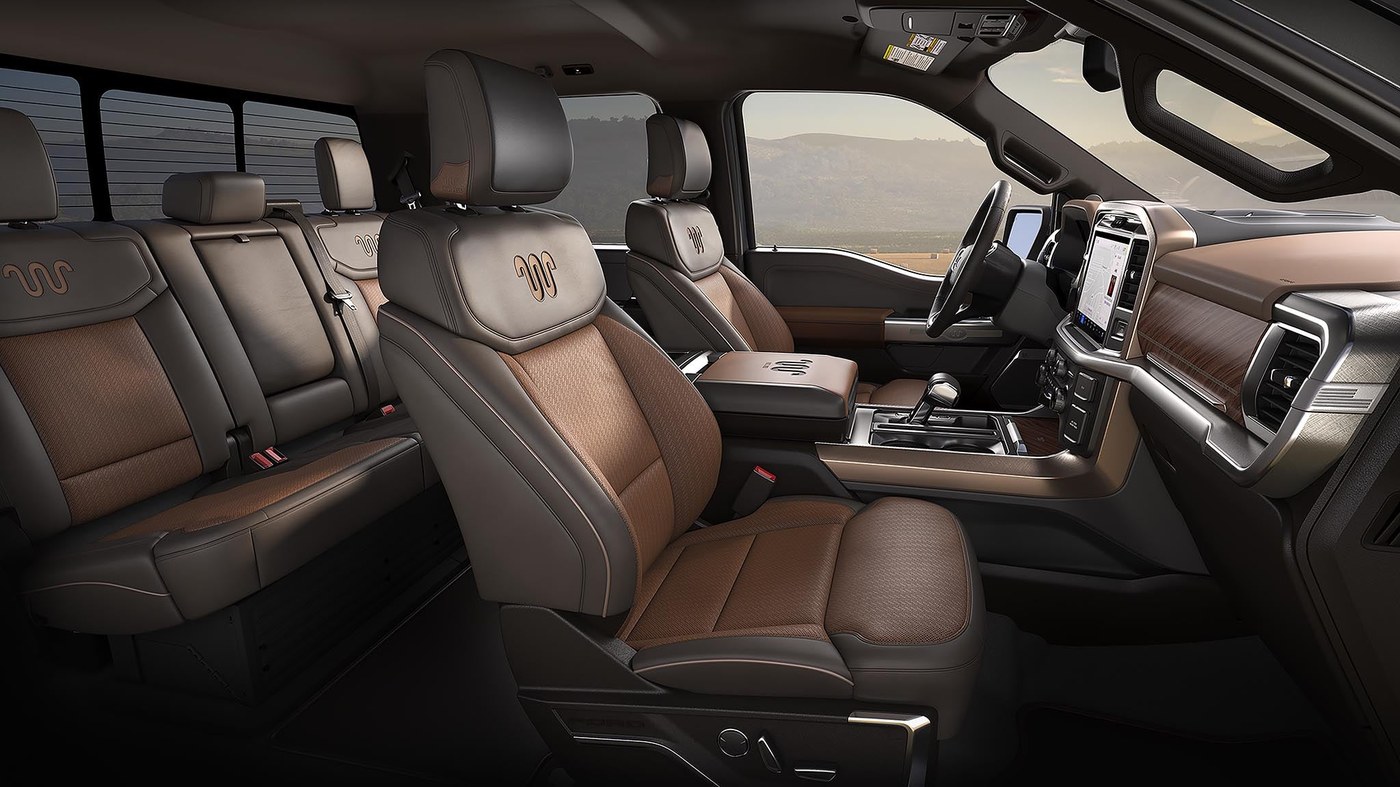
Using Four-Wheel Drive
Many F-150 models offer four-wheel drive with selectable modes. Read your owner’s manual to learn which setting to use in snow, ice and mixed conditions.
Engage the system before you need it, and don’t treat it as a reason to drive faster.
Weight in the Bed
Securing some weight over the rear axle can improve traction. Use sandbags, a tool box or other firmly tied cargo and keep it low and forward.
Never leave loose items that can shift in a stop. Remove extra weight in spring.
St. Louis driver tip: Practice braking and turning in an empty, snow-covered lot. A few minutes teaches you how the truck reacts.
See New Ford F-150 Trucks
Book a Service Visit
Cold Starts and the Battery
Cold stresses the battery. Test it before the first freeze, and replace one that is showing its age.
If your F-150 has remote start, use it to warm the cabin. Never run the engine in a closed garage.
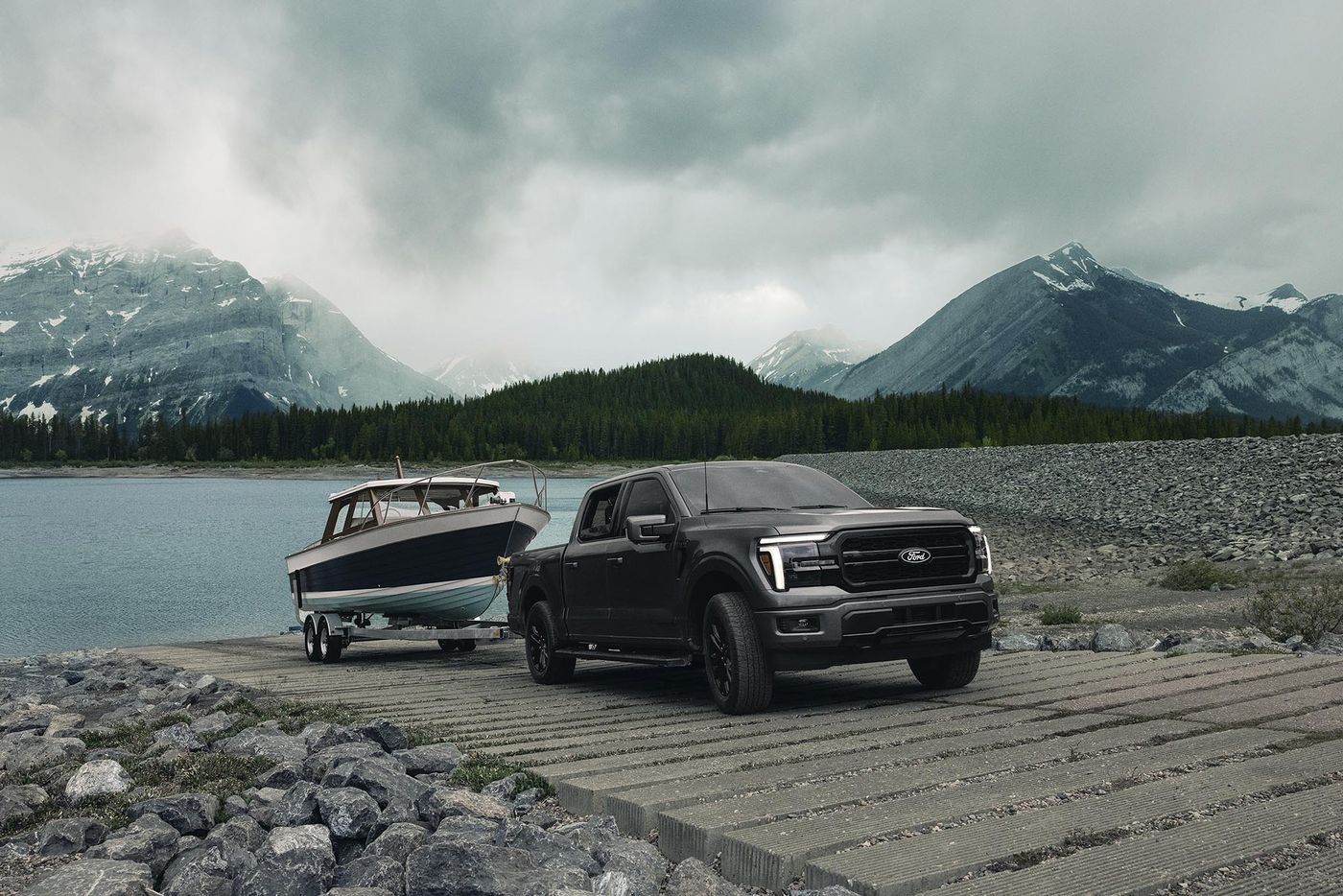
Visibility and Cab Comfort
Replace worn wipers and use winter washer fluid. Clear snow from the roof, hood and lights before you drive.
Heated seats and a heated steering wheel, where available, make cold mornings easier.
Seasonal Care
Wash the undercarriage after salt exposure to limit rust. Have the brakes, fluids and tires checked before winter.
Our service team can handle the whole checklist in one visit.
Buy it with Warranty Forever
Dave Sinclair Ford includes Warranty Forever powertrain coverage on every qualifying vehicle.
Traction
Is the Ford F-150 good in snow?
With good tires and four-wheel drive, it handles winter well. Driving habits matter too.
Do I need winter tires on an F-150?
They help in heavy snow and cold. All-weather tires are another option.
Does four-wheel drive help me stop?
No. It helps with acceleration. Stopping depends on the tires and the road.
Bed and Load
Should I put weight in the bed?
Secure weight over the rear axle can improve traction. Tie it down.
What should I use for weight?
Sandbags or a secured tool box work well.
Should I leave the weight in all year?
Remove it in spring to save fuel and wear.
Cold Weather
How do I prepare the battery?
Have it tested before winter and replace it if it is weak.
Is remote start safe?
Yes, outdoors. Never run the engine in a closed garage.
How do I keep the windshield clear?
Use winter washer fluid and fresh wipers.
Care and Cleaning
Does road salt hurt trucks?
It can speed up rust. Rinse the undercarriage regularly.
How often should I service my truck in winter?
Follow the owner’s manual and check key items before the first freeze.
Can you check everything at once?
Our service team can handle the full seasonal checklist.
Buying and Service
Can I test drive a Ford F-150?
Contact Dave Sinclair Ford and we will set it up.
Do you accept trade-ins?
Use our value your trade page to start.
Where do I book service?
Use our service appointment page.