


Maverick | St. Louis, MO
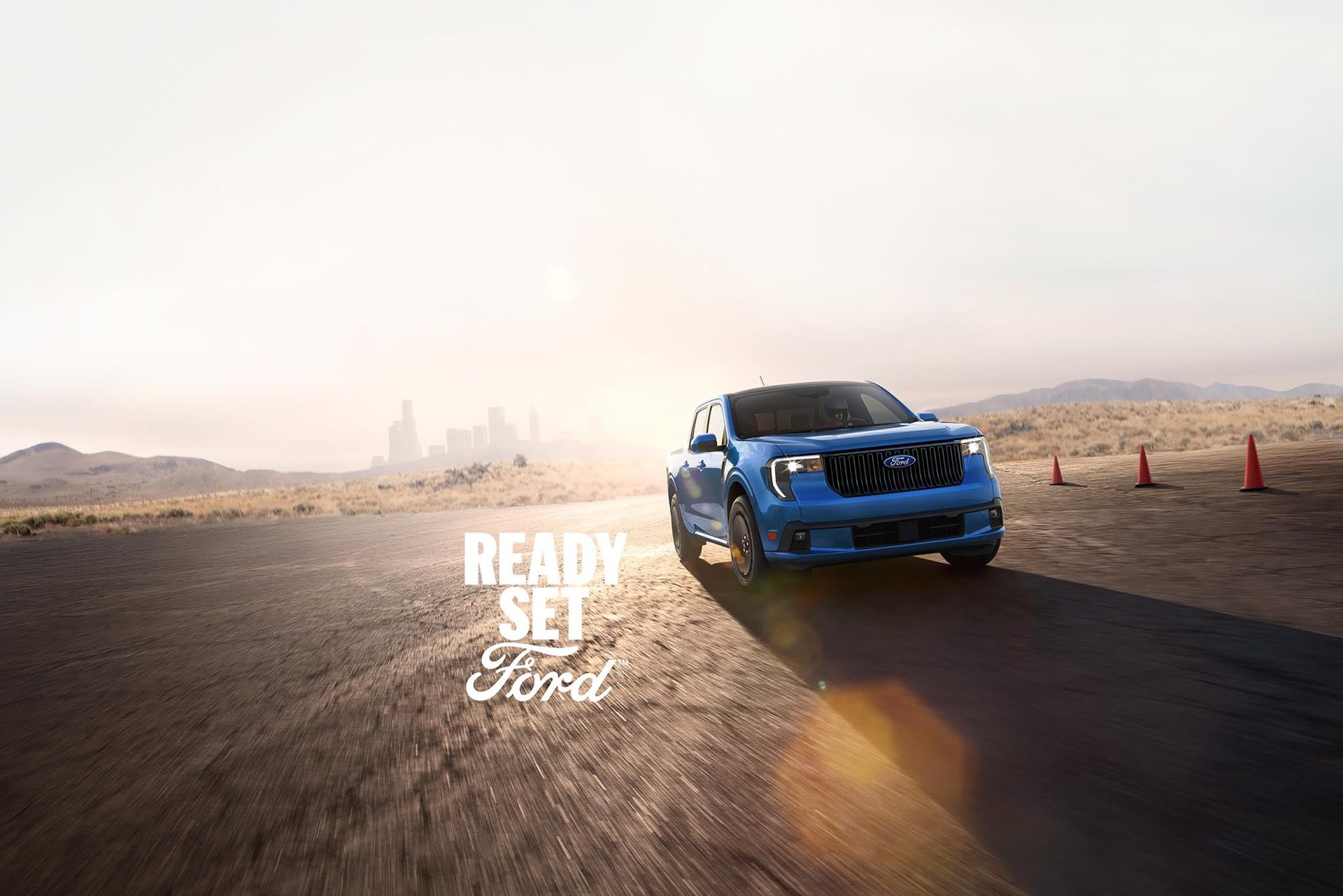
Whether a Ford Maverick can work as a job site truck.
The Maverick gets talked about mostly as a fuel-efficient commuter option, which is fair, but it undersells what a lot of small business owners and contractors around St. Louis have started using it for. It’s a truck, no question. What you want to know is whether it holds up to real daily work.
Quick answer: For light and moderate daily work, tools, materials, small trailers, and frequent stop-and-go city driving, the Maverick holds up well and costs less to run than a full-size truck. For heavy daily payload or serious towing, it’s the wrong tool, and a larger truck makes more sense.
Bed
Compact pickup bed
Think about
Your real load and tools
Compare
Against your current truck
In this post
- What Does the Bed Handle?
- How Does It Handle a Full Day of Stop-and-Go City Work?
- Does Fuel Cost Make a Difference for a Business?
- Is the Cabin Set Up for Work Use?
- How Does Resale Value Compare for Business Use?
- Does It Make Sense to Wrap or Brand a Work Maverick?
- What Kind of Business Should Consider a Different Truck?
- Seeing What Fits Your Business
What Does the Bed Handle?
The bed is smaller than a full-size truck’s, which matters for bulky materials but less for the kind of daily gear most service businesses carry: tool boxes, ladders, boxed materials, and equipment that fits within a compact footprint. Built-in bed features designed for securing gear without extra hardware add up to real convenience for a business that’s loading and unloading multiple times a day.
How Does It Handle a Full Day of Stop-and-Go City Work?
This is where the Maverick separates itself from a full-size truck for a lot of St. Louis businesses. A day spent driving between job sites through city traffic, with frequent stops and short hops, is exactly the kind of driving where a smaller, more efficient vehicle saves real money over a full-size truck, without giving up the basic utility of a bed and a durable interior built for work.
View Maverick Inventory
Commercial Vehicle Team
What About Towing a Small Trailer?
A properly equipped Maverick can handle a light trailer, enough for a small equipment hauler or a handful of landscaping tools, but it’s not built for the kind of regular heavy towing a Super Duty or F-150 handles. If your business tows daily, or tows anything heavy, this is the point where a bigger truck stops being optional.
Does Fuel Cost Make a Difference for a Business?
For a vehicle logging real daily mileage between job sites, fuel savings compound quickly compared to a full-size truck, especially with the hybrid powertrain available on some configurations. Over a full year of business use, that difference is large enough to matter for a small operation watching its margins closely.
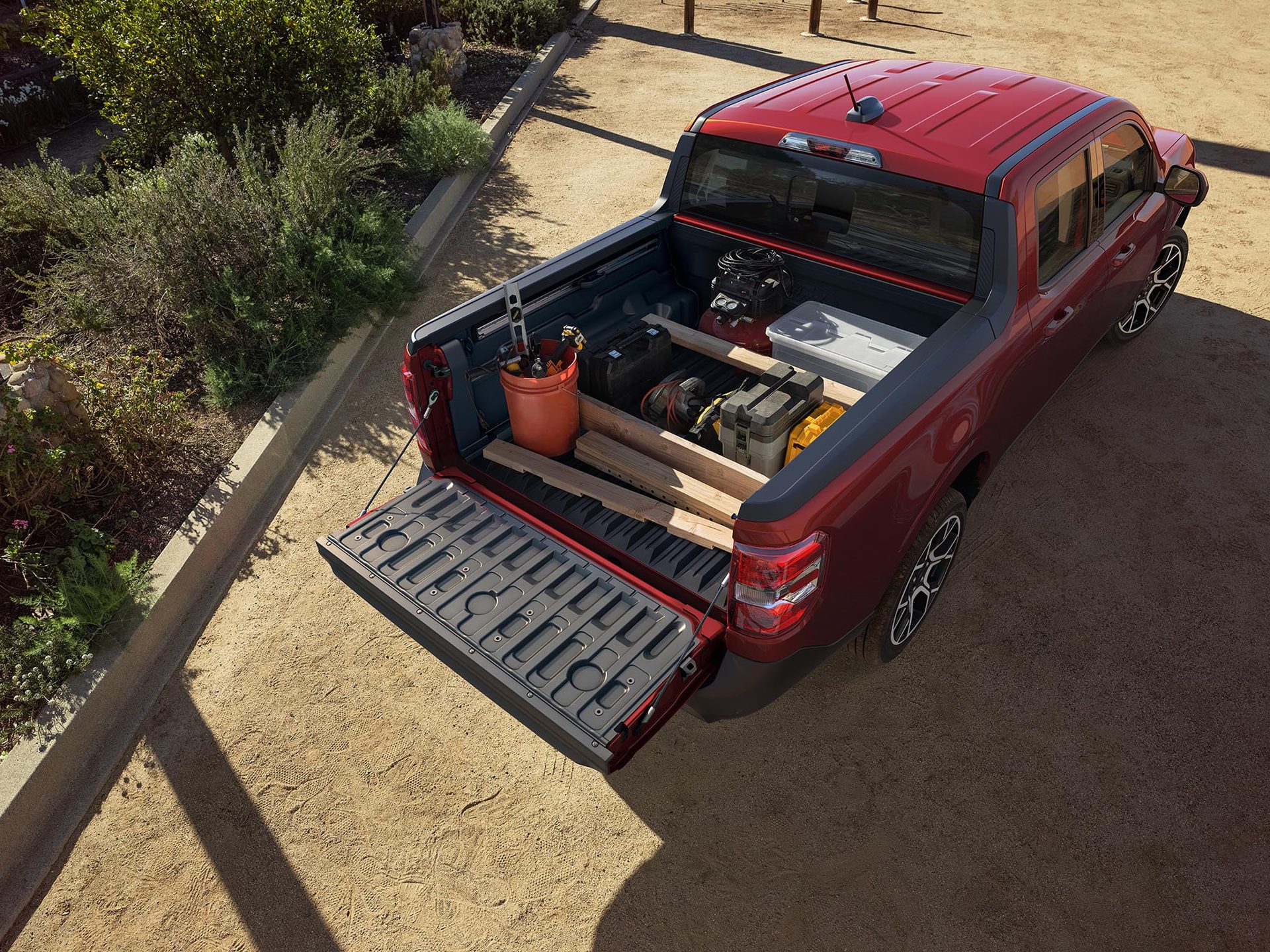
St. Louis driver tip: Load your usual tools and materials before you decide. Lumber and ladders tell you more than a brochure.
Is the Cabin Set Up for Work Use?
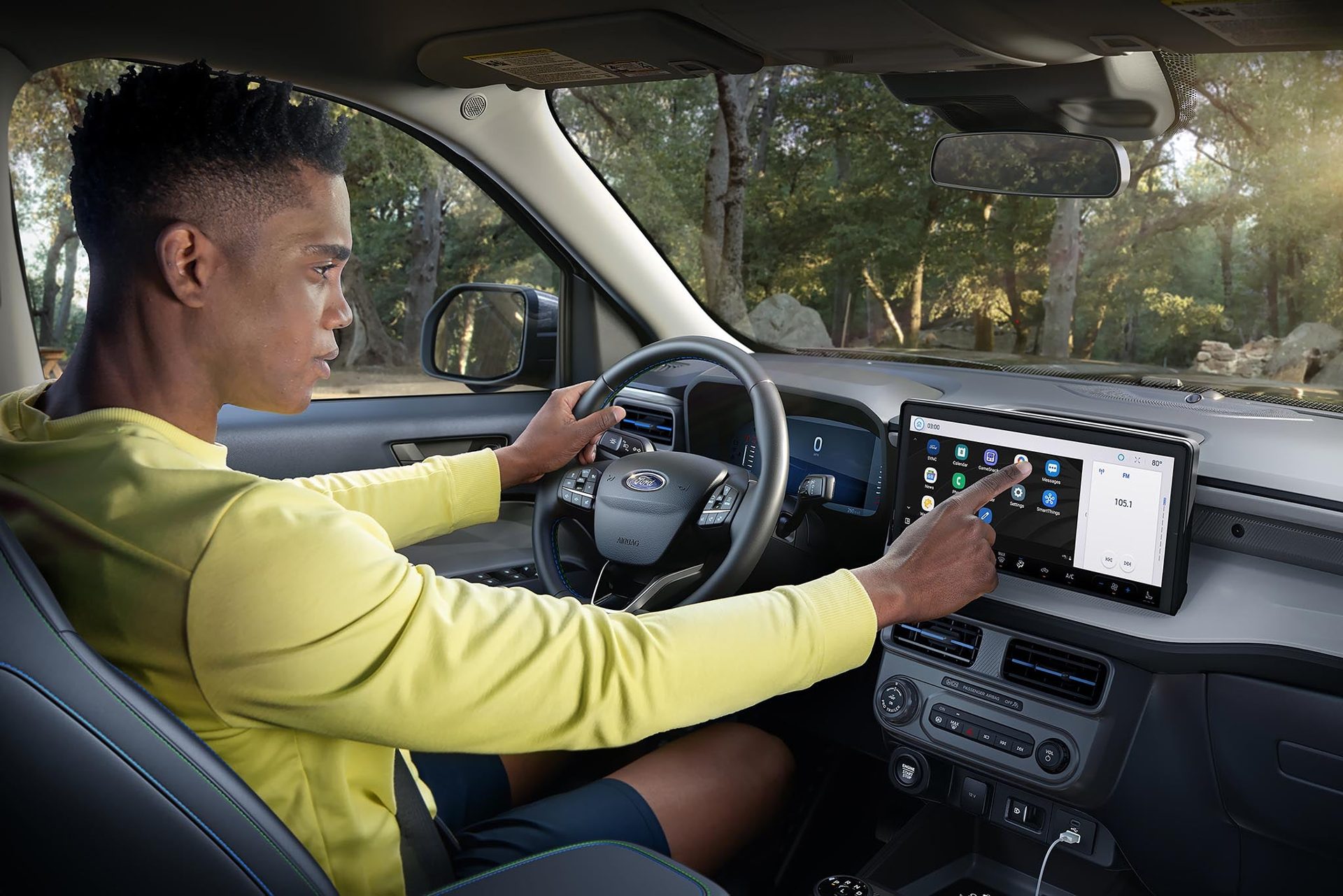
Yes, more than its size might suggest. Durable interior materials, practical storage, and a reasonably comfortable ride for a full day of driving all matter for someone living in the vehicle for eight or more hours a day, well past a commute. It’s a smaller cabin than a full-size truck, but it’s built with real daily use in mind rather than as an afterthought.
How Does Resale Value Compare for Business Use?
Compact trucks used for light commercial work tend to hold value well when maintained on a regular schedule, particularly with documented service history. A Maverick used gently for daily light work and kept on top of routine maintenance often resells closer to a personal-use vehicle than people expect, especially compared to a full-size truck that’s been worked harder over the same period.
Does It Make Sense to Wrap or Brand a Work Maverick?
A lot of small service businesses use vehicle wraps for advertising, and the Maverick’s exterior panels work fine for this the same way any vehicle’s would. The main consideration is planning around resale timing, since a wrap needs to come off cleanly before trade-in, which is worth factoring into how long you expect to keep the vehicle when you’re deciding whether wrapping it makes financial sense.
What Kind of Business Should Consider a Different Truck?
Any business that regularly carries heavy loads, tows daily, or needs a crew cab for multiple workers riding along together is better served by an F-150 or Super Duty. The Maverick is the better fit for solo operators or small crews doing lighter work across a lot of daily miles, not heavy contractors moving equipment and materials in bulk.
Seeing What Fits Your Business
Bringing real numbers to that conversation, instead of a general sense of your workload, is what turns a good guess into a confident decision you will not second-guess a few months into ownership.
The most reliable way to answer this question is walking through a typical week with our commercial team rather than trying to decide from a spec sheet alone. Bring your usual load, your typical trailer if you tow one, and a real sense of how many miles a day you drive, and we can help match the right truck to how your business operates rather than a generic recommendation. That conversation tends to surface details that matter more than any single spec, like whether your work involves more short local hops or longer highway stretches between job sites, both of which point toward a different answer even for businesses that look similar on paper.
The right answer depends on what a typical week looks like for your business. Our Midwest Maverick Hub has more detail on available configurations, and our commercial team can walk through financing built around business use.
The Maverick isn’t trying to replace a full-size truck, and for a lot of small operations around St. Louis, that’s exactly the point. It fills a gap between a car and a heavy-duty work truck that plenty of businesses didn’t realize they had until they saw how much of their actual daily work fits comfortably within a smaller, more efficient footprint.
Shop it your way
Browse inventory, value your trade and see payment options before you visit.
Cargo and Capability
Can I fit standard tool boxes in the bed?
Most standard tool boxes fit fine, though it’s worth measuring your specific equipment against the bed dimensions if you’re working with larger or unusually shaped gear.
How much weight can the Maverick carry in the bed?
Payload capacity varies by trim, engine, and configuration, so confirming the specific rating for the configuration being considered gives a more accurate number than a general figure.
Can a Maverick tow a trailer with tools and also seat a second worker comfortably?
Yes, the SuperCrew configuration seats up to five, so hauling a light trailer and bringing along a second worker are not mutually exclusive, within the vehicle’s towing and payload limits.
Built for the Job Site
Can I outfit it with a ladder rack or shelving?
Aftermarket upfitting options exist for the Maverick, though the smaller bed size compared to a full-size truck is worth considering depending on what you need to carry.
Does the Maverick hold up to daily job-site conditions like gravel lots and construction debris?
It is built with durable materials suited to daily work use, though like any vehicle, regular washing and attention to the undercarriage helps it hold up better over years of job-site conditions.
Does the smaller size make the Maverick harder to park at job sites with limited space, or easier?
Easier, in most cases. Its smaller footprint compared to a full-size truck is an advantage in tight urban job sites, parking garages, or residential areas with limited space to maneuver.
Hybrid and Fuel Savings
Is the hybrid version tough enough for daily work use?
Yes, plenty of owners use the hybrid configuration for daily work driving, and the fuel savings tend to matter most for exactly this kind of frequent city mileage.
Is there a hybrid-specific maintenance schedule different from the gas model?
The hybrid powertrain has some maintenance items specific to its battery and electric components, though routine service like oil changes and tire rotation follows a similar overall schedule. A service advisor can confirm the exact intervals for a specific configuration.
What’s a realistic daily mileage range before the hybrid’s fuel savings meaningfully add up for a business?
It depends on local fuel prices and driving pattern, but a business logging frequent stop-and-go miles between job sites tends to see the clearest savings, since that is exactly the driving condition where a hybrid powertrain performs most efficiently.
Business Financing and Costs
Is it cheaper to insure than a full-size work truck?
Often, yes, though the exact difference depends on your specific policy and use case. It’s worth getting a quote before finalizing which truck fits your business.
Can a Maverick be financed or leased through a business rather than personally?
Yes, business financing and leasing options are available, and our commercial team can walk through how that differs from a personal purchase, including how it may affect taxes and asset depreciation.
Does a business get any tax advantage buying a Maverick over a larger truck?
Tax treatment depends on the vehicle’s weight class, how it is used, and current tax rules, so a tax professional is the right resource for specifics. Our commercial team can provide the vehicle details needed for that conversation.
Business Setup and Fleet
Does a business need a commercial vehicle title or registration?
Requirements vary depending on how the vehicle is used and titled. Our commercial team can walk through what applies to your specific business setup.
Does the Maverick offer all-wheel drive for a contractor working in bad weather?
Yes, all-wheel drive is available on select configurations, which is worth considering for anyone working through a full Missouri winter or frequently driving to job sites on unpaved or poorly maintained roads.
Can fleet pricing or fleet accounts apply to a Maverick purchase?
Yes, fleet pricing and account programs are available for qualifying businesses, and our commercial team can explain the requirements and current terms.